
 Tamsin Ford
LIVING BELOW THE FUEL LINE
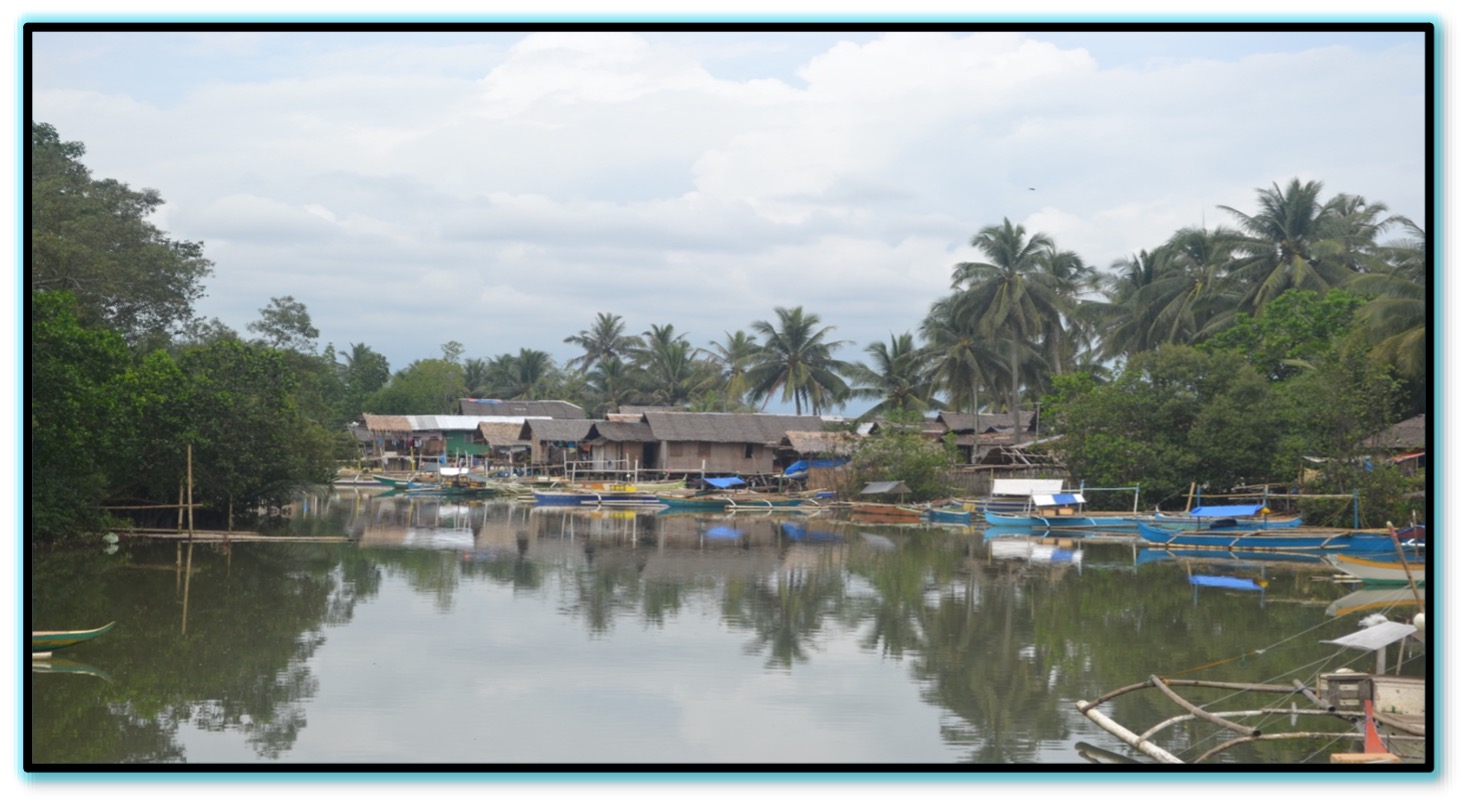
For small-scale fishers, rising fuel costs threaten more than income— they threaten a way of life. Yet for over two million fisherfolk, rising fuel costs are only the latest wave in a tide of challenges which have been undermining their livelihoods for decades.
No Fuel, No Fish
Every day begins with a tank of fuel for the Filipino fisherfolk relying on the ocean for their daily survival. Powering the boats that take them to sea, there is a cost that must be paid before they can cast their nets and hope for a good catch. When fuel prices surged due to the impact of the war in Iran, so too did the price small-scale fisherfolk pay to earn a living. With costs tripling for a tank of fuel since February of this year, some fisherfolk reduced the number of trips they made each week, while others stayed closer to shore, and still others had to make the hard choice to stay ashore and lose a day’s income. The fuel crisis turned what was an already precarious livelihood into an even riskier one.
Reaching a Tipping Point
Soaring fuel prices were not just another economic shock— they were the tipping point. Long before the fuel crisis many small-scale fisherfolk were already navigating a lack of secure land rights. Navigating living situations without secure ownership or land tenure contributes to insecurity through limited access to basic necessities such as clean water, increased household costs, and ultimately reduces the ability to save or accumulate assets. Nationwide, in 2023 more than 353,000 fisherfolk families fell below the poverty line.
Additionally, commercial encroachment into municipal waters placed small-scale fisherfolk at a disadvantage by intensifying competition over fish stocks, reducing available catches by around 45 million kilograms of fish annually. For years, commercial fleets have been steadily increasing their operations within the 15-kilometer municipal waters meant exclusively for small scale fishers, with little effective action to stop it. As catches declined and earnings became more uncertain, many fisherfolk entered the fuel crisis in an increasingly unstable financial position.
Beyond its immediate impact of fisherfolk livelihoods, commercial fishing activity has also contributed to lower domestic fish availability within local areas. Commercial fisheries account for approximately 23% of production by value and their catch is subsequently directed to export markets, bypassing regional markets and labour. This export impacts the broader coastal communities, as small-scale fishing tends to keep value within communities: fish are brought to local shores, cleaned and processed by local community members, and are sold in nearby markets. When catches are redirected to larger commercial supply chains, less of that economic activity remains in the community, ultimately weakening local livelihoods in the wider fishing communities.
When Prices Surged
By the time the fuel prices began to surge, many fisherfolk communities had already spent years navigating the cumulative effects of resource competition, economic marginalization, and a decline in livelihood security. As Taylor Owen notes, crises hit hardest where vulnerabilities already exist, making human security rooted in local realities. Far from a disaster of equal impact, rising fuel costs acted as an accelerant, intensifying existing forms of precarity and pushing many households to the edge. In turn, this widened and exposed the gap between those unable to meet daily needs and those better positioned to absorb rising costs. This meant that when fuel prices rose, the commercial sector lost profits, but that many small-scale fisherfolk lost the ability to fish at all.
In response to these economic difficulties, the Philippine government issued a ₱3,000 subsidy (worth approximately $66.77 Canadian Dollars) to help offset rising fuel costs and provide temporary relief. Yet the subsidy fell far short of the economic challenges it sought to address and was targeted for an inadequate portion of the fishing community— the Bureau of Fisheries and Aquatic Resources (BFAR) listing to date only 25,000 benefiting under initial rollouts. This limited reach of fuel subsidies has raised concerns that assistance is insufficient given the scale of the crisis facing coastal communities. This echoes David Miliband and Ravi Gurumurthy’s argument that assistance is most effective when it reaches vulnerable populations in ways that address both immediate needs and underlying sources of insecurity.
This response is seen as especially inadequate when compared to the support extended to other parts of the fishing industry. As reported by the Philippine Information Agency, local officials announced additional measures to assist the commercial fishing sector, including programs aimed at sustaining industrial growth and operations. This contrast exposes a troubling imbalance in government priorities: while commercial fishing interests received the resources they needed to keep operating, small fisherfolk were left with minimal relief and unmet needs.
Bigger Takeaways
This case is more than a local crisis. The rising costs of any job-dependent or necessary resource, such as fertilizer costs, deepen vulnerability in ways that directly reflect existing inequality. In a changing climate, these kinds of pressures are likely to intensify, widening unequal exposure across the very communities that have the least capacity to absorb them.
The fuel crisis has exposed more than the fragility of energy systems— it has exposed the consequences of allowing vulnerability to remain unchecked. Protecting the vulnerable must be a proactive responsibility, not a reactive response, and economic priorities must never come at the expense of community resilience.


 Mark Pablo
 Isabelle Côté
 Isabella Aung

 Rubiat Saimum
 Averill Elisa Frankes
 Josh Stevenson
 Noah Schwarz
 Olivia Snook
 Cale Warren
 Katanan Touré