Population and Security
  • About
  • Topics
    • Asia
    • Climate change
    • Canada
    • Civil Wars
    • Elections
    • Ethnic conflict
    • Europe
    • Foreign Policy
    • Human rights
    • Human security
    • Inter-state conflict
    • Latin America
    • Middle East
    • North Africa
    • North America
    • Pandemic/COVID
    • Protests
    • Sons of the soil conflict
    • Sub-Sahara Africa
    • Terrorism
  • Submission Guidelines
  • Contact
Population and Security
  • About
  • Topics
    • Asia
    • Climate change
    • Canada
    • Civil Wars
    • Elections
    • Ethnic conflict
    • Europe
    • Foreign Policy
    • Human rights
    • Human security
    • Inter-state conflict
    • Latin America
    • Middle East
    • North Africa
    • North America
    • Pandemic/COVID
    • Protests
    • Sons of the soil conflict
    • Sub-Sahara Africa
    • Terrorism
  • Submission Guidelines
  • Contact

Isabelle Côté

2 posts
Isabelle Côté is a Professor of Political Science at Memorial University of Newfoundland and Labrador (MUNL), in St John’s, Canada. Her work examines the role of population dynamics –especially internal migration- on contentious politics and ‘Sons of the Soil’ conflict in Asia and beyond. She received her PhD in Political Science from the University of Toronto and has held various guest researcher positions in China, Indonesia, Denmark, Sweden, and the Netherlands. She has published dozens of articles on migration and conflict in scholarly journals and edited volumes, and has co-edited two books, People Changing Places: New Perspectives on Demography, Migration, Conflict and the State (Routledge 2019, with Matthew I. Mitchell and Monica Duffy Toft), and Resettlement: Uprooting and Rebuilding Communities in Newfoundland and Labrador and Beyond (ISER Books, 2020, with Yolande Pottie-Sherman). She was the recipient of numerous awards and grants, most notably the 2020 Canadian Political Science Association Teaching Award.
Read More
    • Asia
    • Population

    The Great Demographic Reversal: China’s Population Crisis and Its Security Fallout

    • ByIsabelle Côté
    • March 12, 2026
    While the global population continues to grow, over forty countries and territories are seeing their population decline, either…
    Read More
    Read More
      • Asia

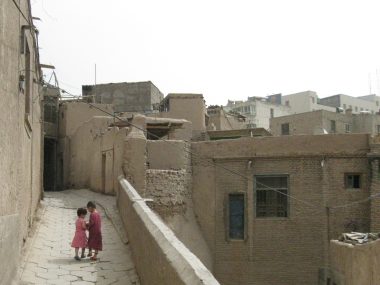
      Why Demographic Changes Matters for Security Studies: A Look at Xinjiang

      • ByIsabelle Côté
      • January 11, 2023
      On July 5, 2009, a mere month after I left the Xinjiang Uyghur Autonomous Region in China, violent…
      Read More
      Tags
      armed conflict Asia Border Security brazil canada civil wars climate change Cultural Security Defacto State demographic changes Eastern Europe ethnic conflict Europe European Union evangelicals extremism far-right Foreign Policy gender healthcare healthcare provision health policy Human Security Immigration Indigenous Peoples Indigenous rights influencers internal migration Latin America LGBTQ+ rights linguistic communities Marginalization medical tourism Middle East Migration Myths Newfoundland Mi’kmaq New Zealand Moriori political economy protests public health tourism United States wartime sexual violence women
      Read More
        • Others

        Armes autonomes: entre efficacité et moralité

        • ByIsabelle Côté
        • July 24, 2026
        Read More
          • Others

          Essentializing “Forever Wars”: How Security is Losing its Human Face 

          • ByIsabelle Côté
          • July 24, 2026
          Read More
            • Asia
            • Population

            The Great Demographic Reversal: China’s Population Crisis and Its Security Fallout

            • ByIsabelle Côté
            • March 12, 2026
            Read More
              • Diplomacy
              • Lula
              • Sanctions
              • Tariffs
              • Trump

              Tariff Tango: Brazil Dances with the U.S.

              • ByIsabelle Côté
              • February 3, 2026
              Population and Security
              (c) 2023 Population and Security